YG Acoustics

Born in Boulder, Colorado, YG Acoustics redefines what is possible in loudspeaker design.

Aluminum Precision. Emotive Transparency.

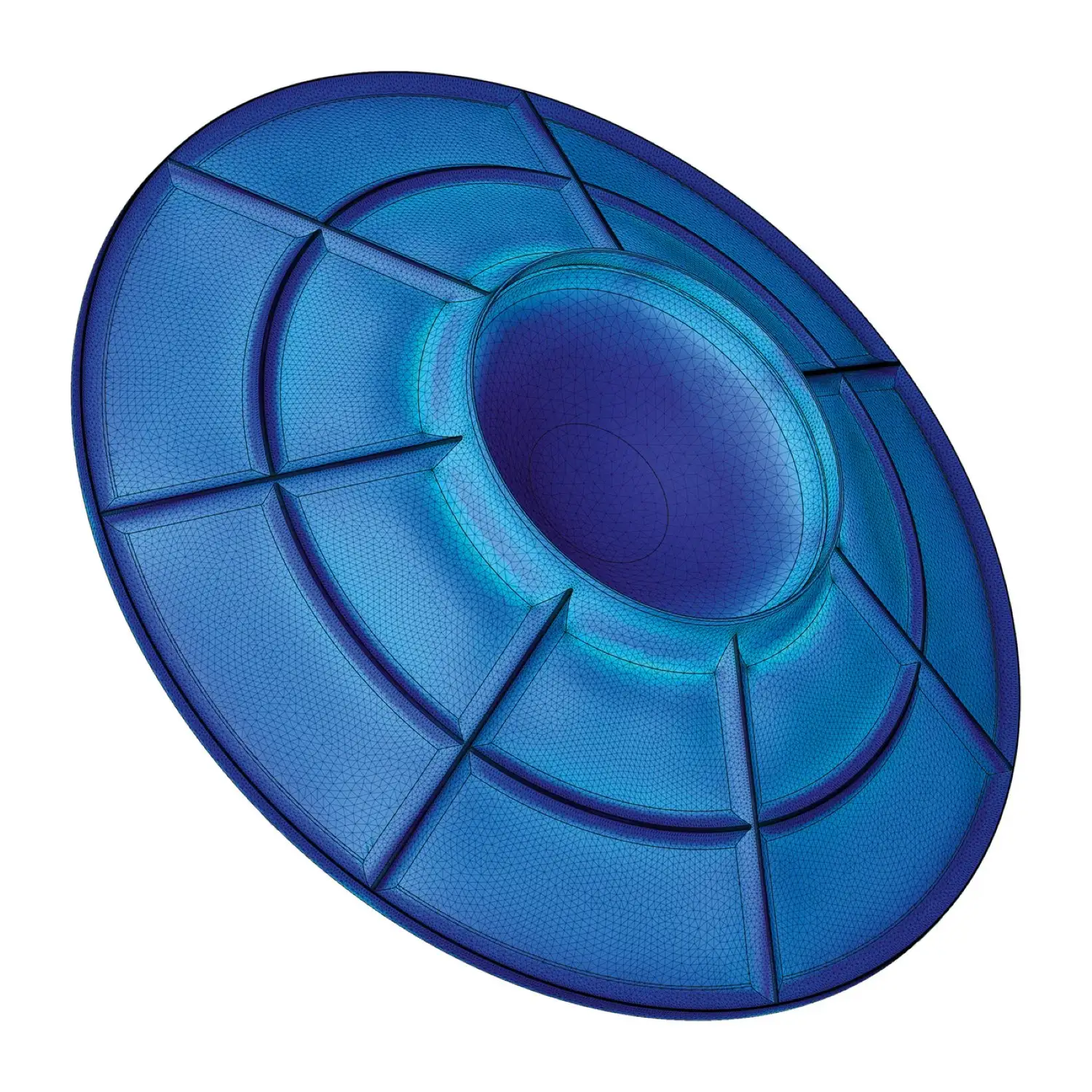
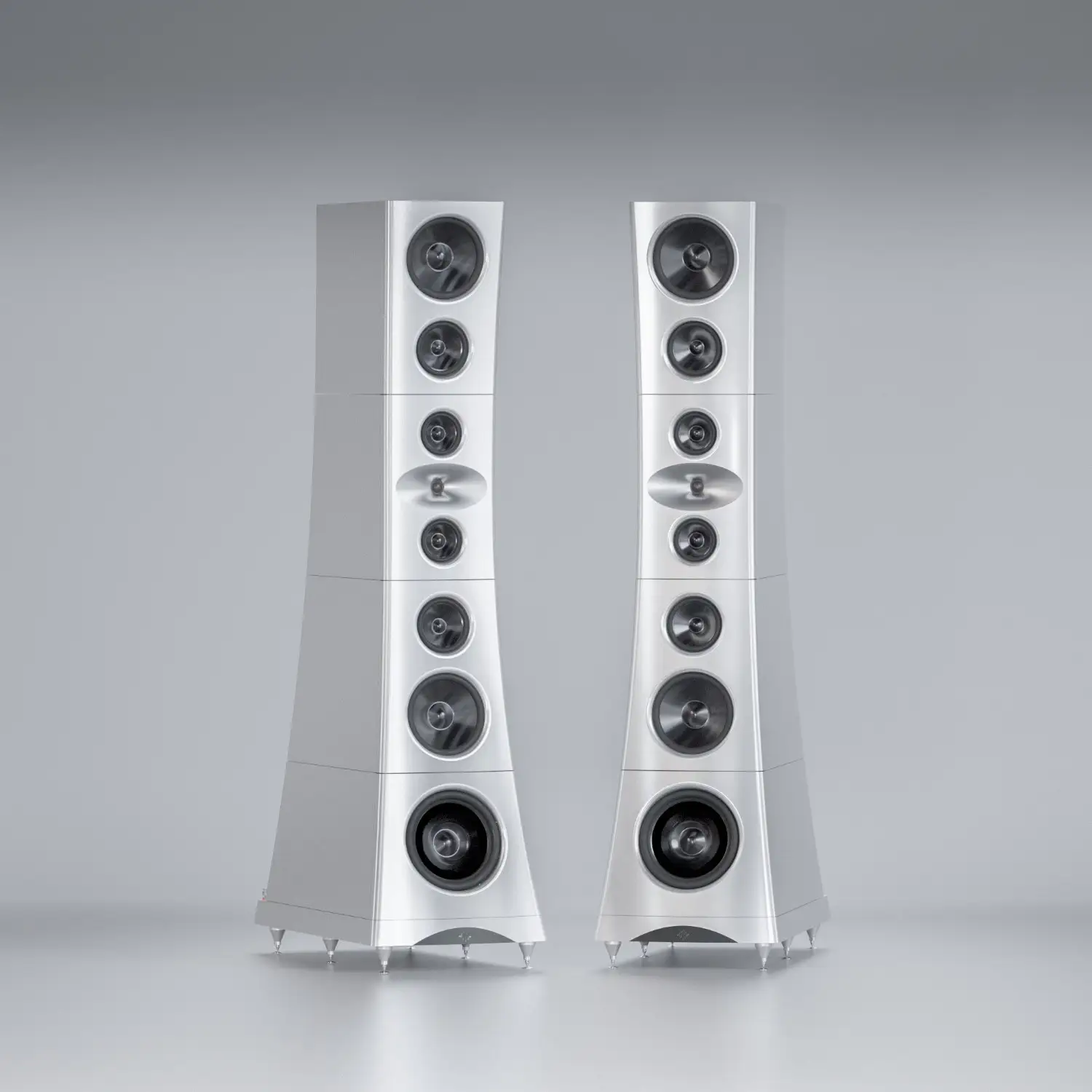
Live, “invisible” sound begins with relentless engineering. Ultra-thin, blade-like aluminum cones born from aircraft-grade billet and machined down to ~0.2 mm and under 30 g achieve an extraordinary stiffness-to-mass ratio, unlocking bandwidth, speed, and vanishing distortion rivals cannot touch.

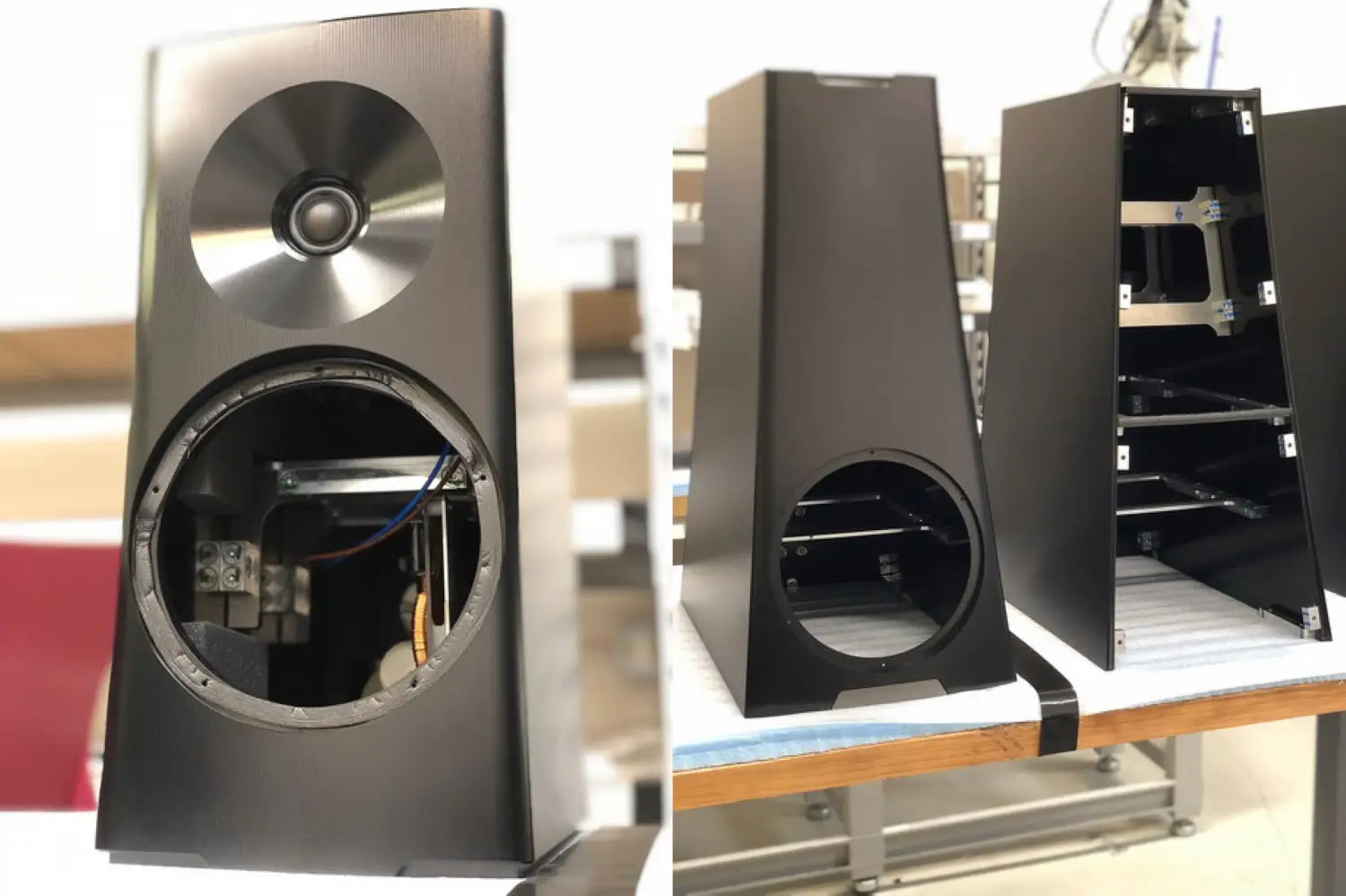
Monolithic, pressure-assembled aluminum enclosures suppress parasitic resonances, so the stage stays immovable and bass remains taut and articulate even at whisper levels. Attacks start and stop with absolute control; timbre and inner lines bloom naturally – you hear not the system, but the performance.

Engineering Without Compromise

At the top end, YG’s Lattice hybrid tweeter couples a precisely engineered diaphragm to an advanced motor system, optimizing the acoustic assembly as a single, CNC-refined structure. The result is dramatically lower distortion with preserved air, micro-detail, and long-session ease.

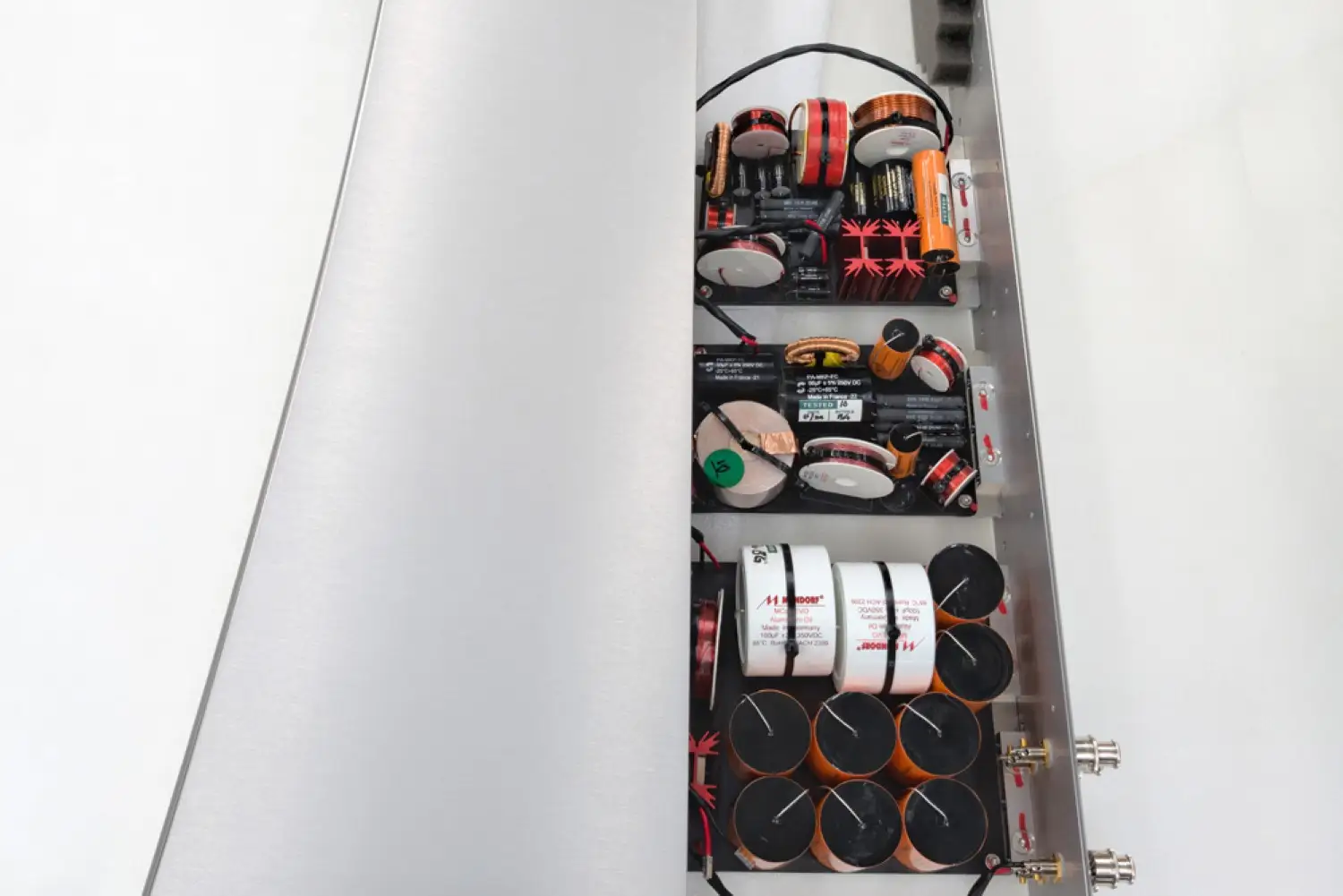
Crossovers are DualCoherent designed in-house to deliver ruler-flat response with near-zero relative phase (≈ ±5° through the overlap), so transients, spatial cues, and tone arrive together, intact. All of this is underwritten by high-performance computation – millions of CPU-hours of multi-domain simulation shaping diaphragms, motors, and waveguides – engineering that disappears into music and places YG firmly in the Ultra High End.

Signature Technologies

Precision is not an option — it’s the foundation. Every YG innovation is engineered to eliminate distortion, preserve timing, and reveal music in its purest, most emotional form.
Lattice Hybrid Tweeter™
FormCore Driver™
DualCoherent™ / DC2™ / Ultracoherent™ Crossovers
Aluminum Cabinet Technology ™
ForgeCore™ Tweeter Motor
ToroAir™ and ViseCoil™ Inductors
FocusedElimination™
HPC / Multi-Domain Simulation

System Synergy

Pairs Beautifully With:
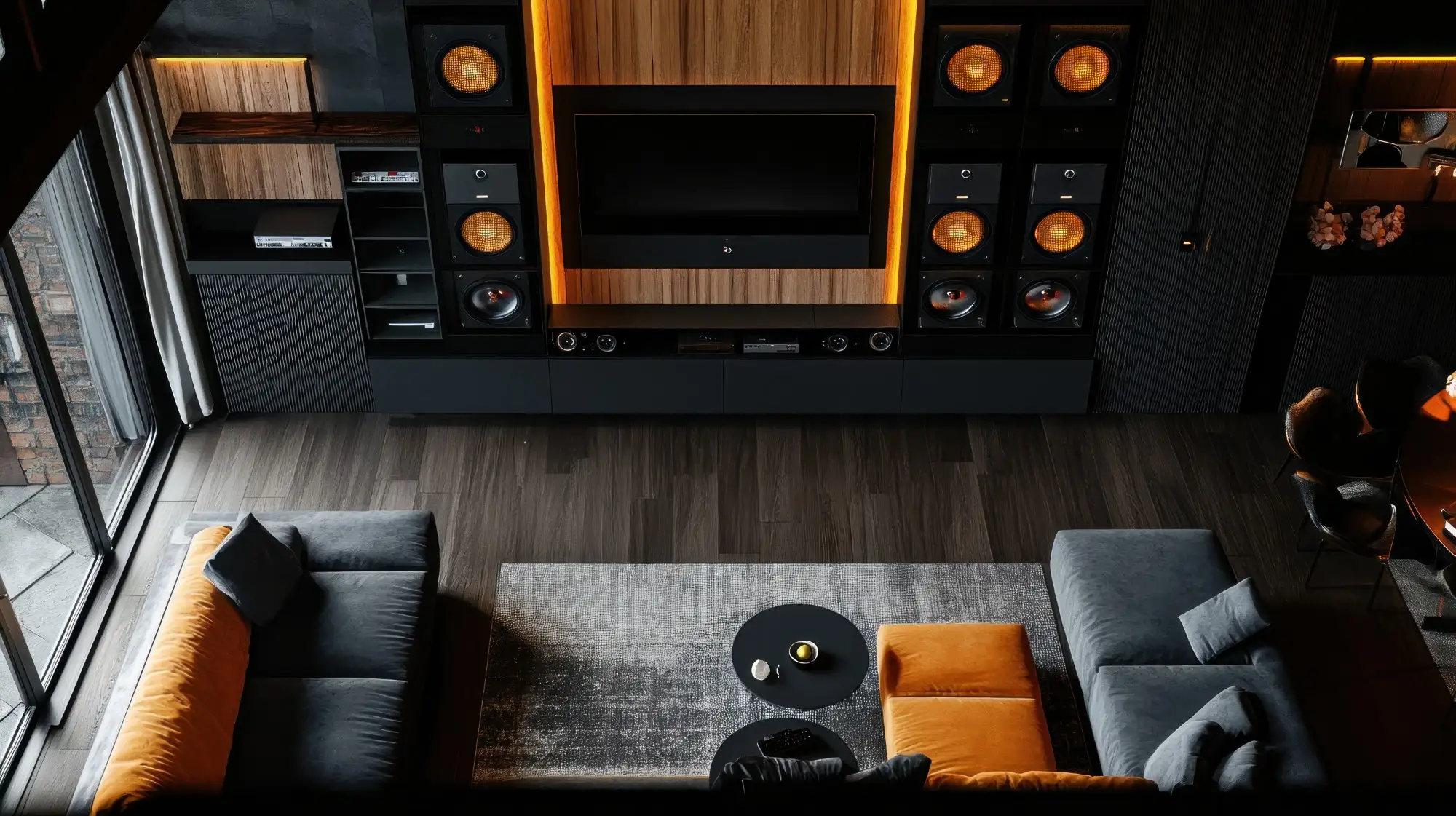
Montreux Residence
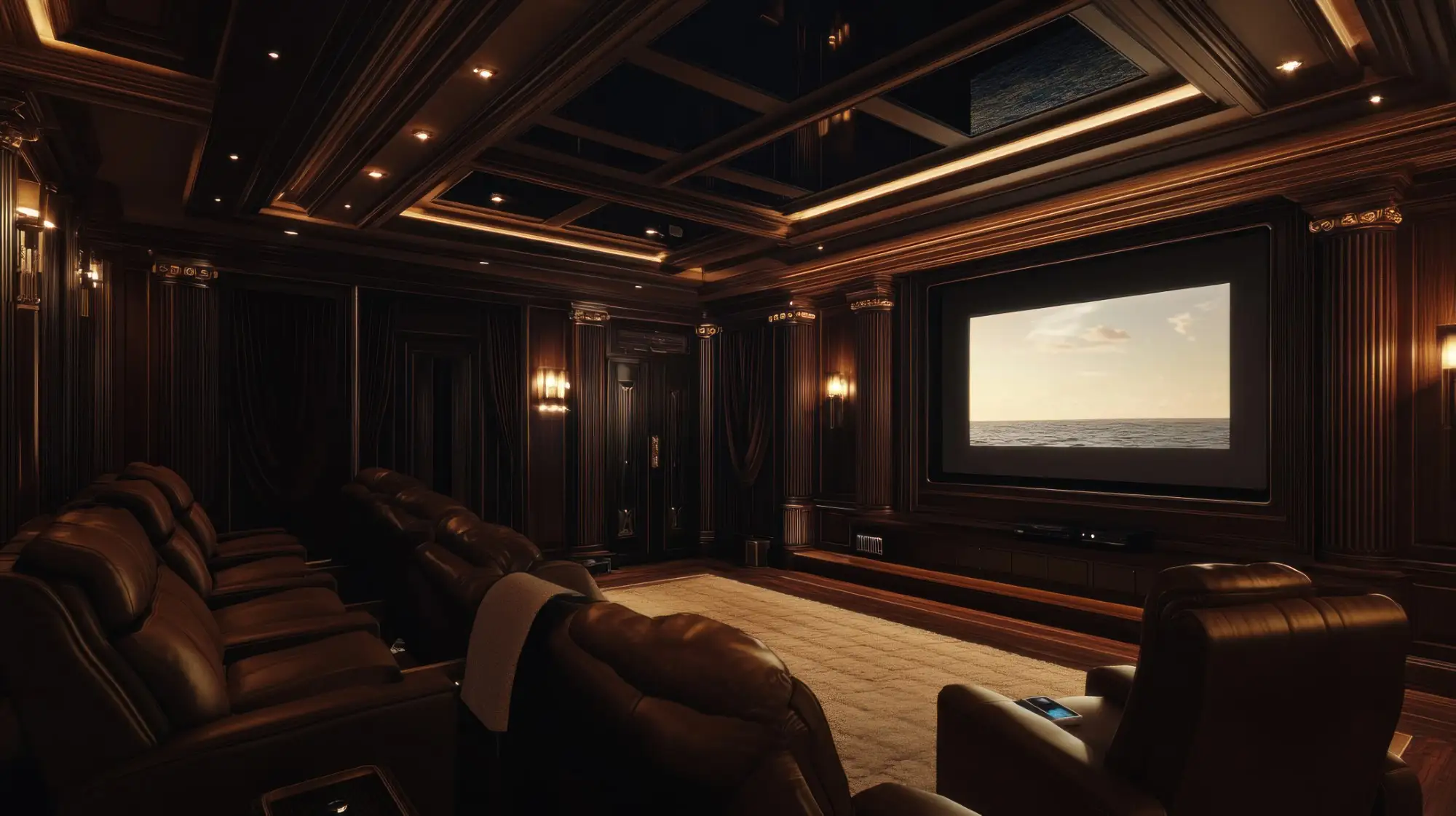
Geneva Loft
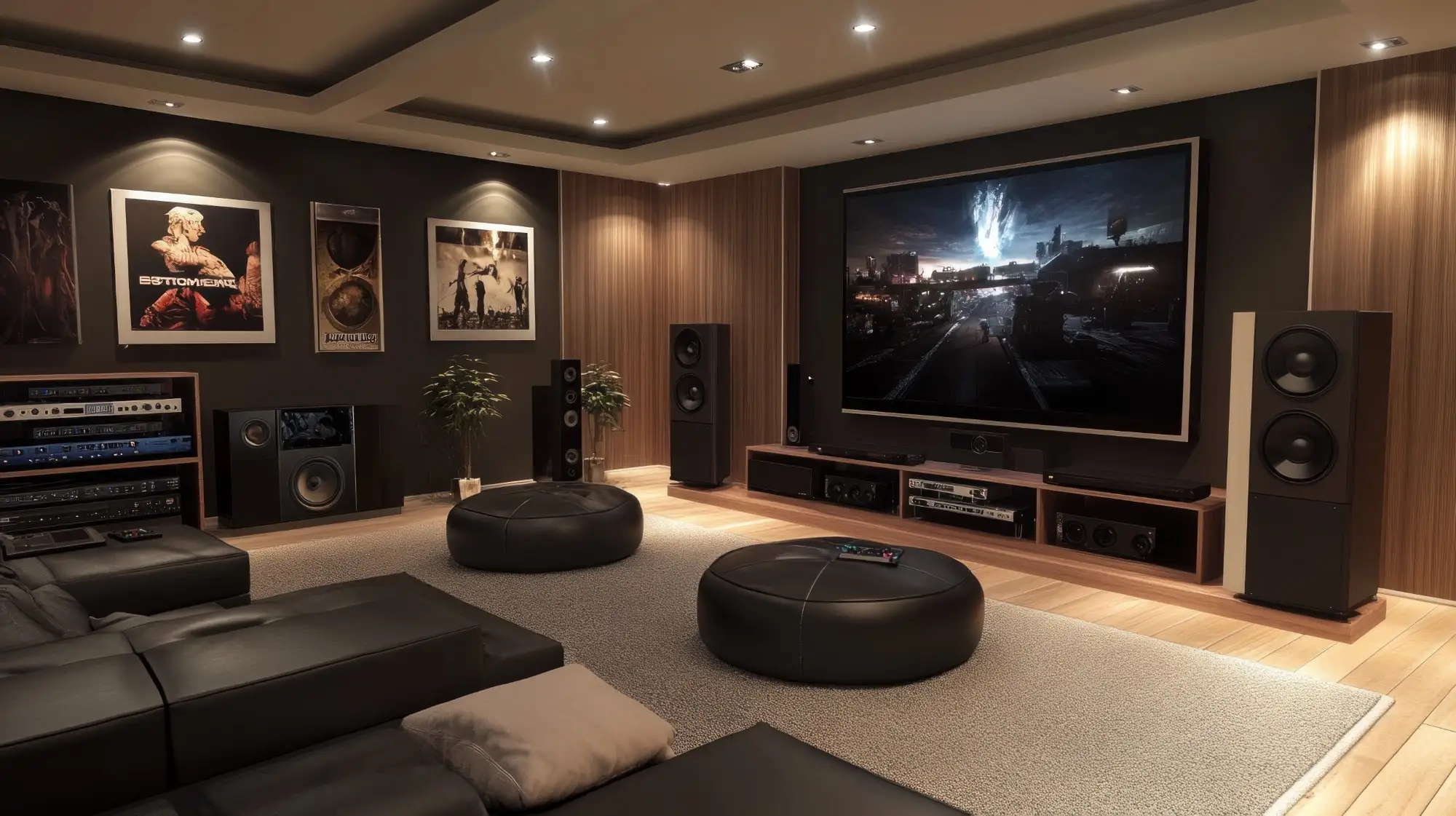
Zürich Penthouse

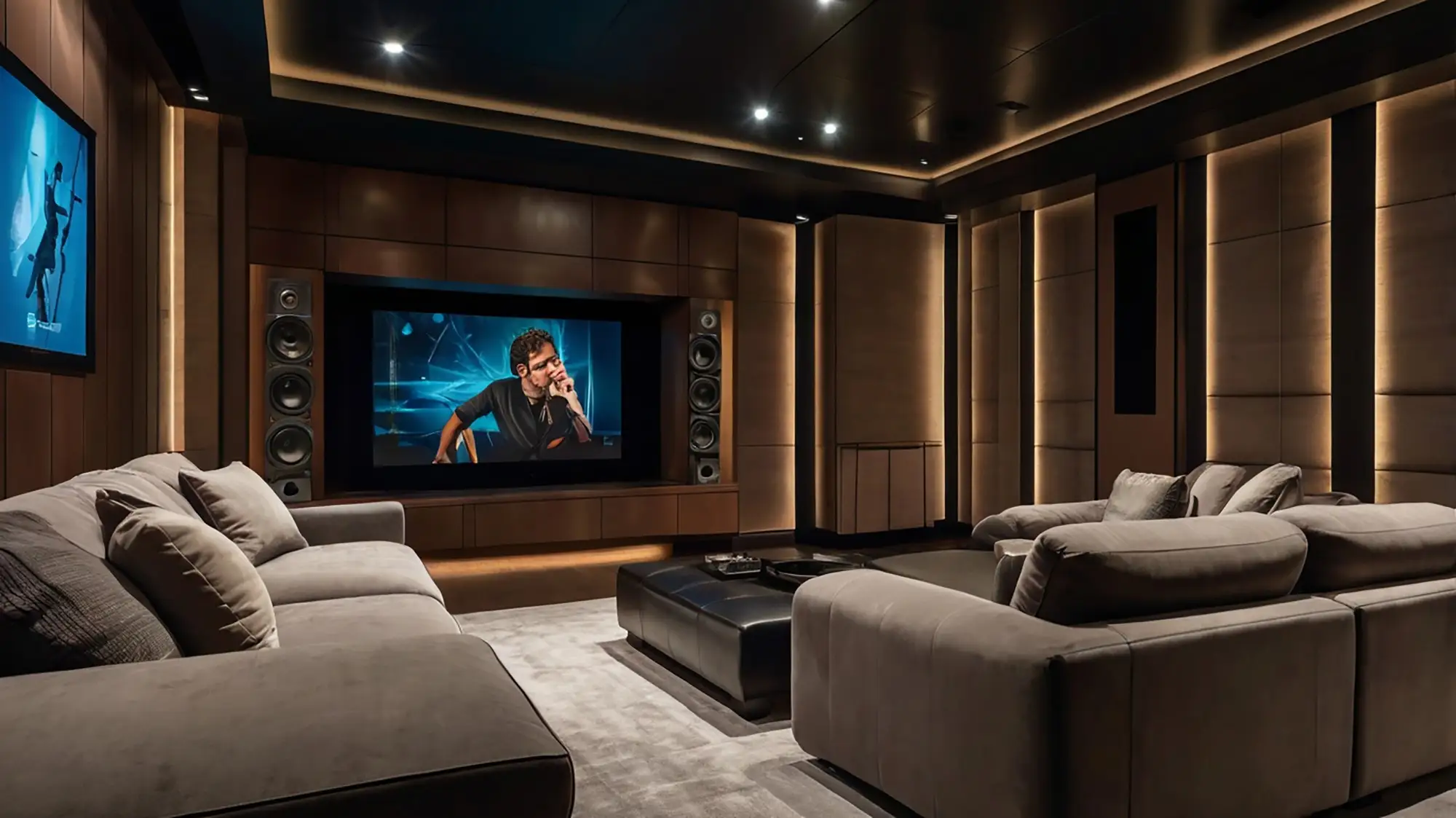
Holographic stage, concert-level dynamics.

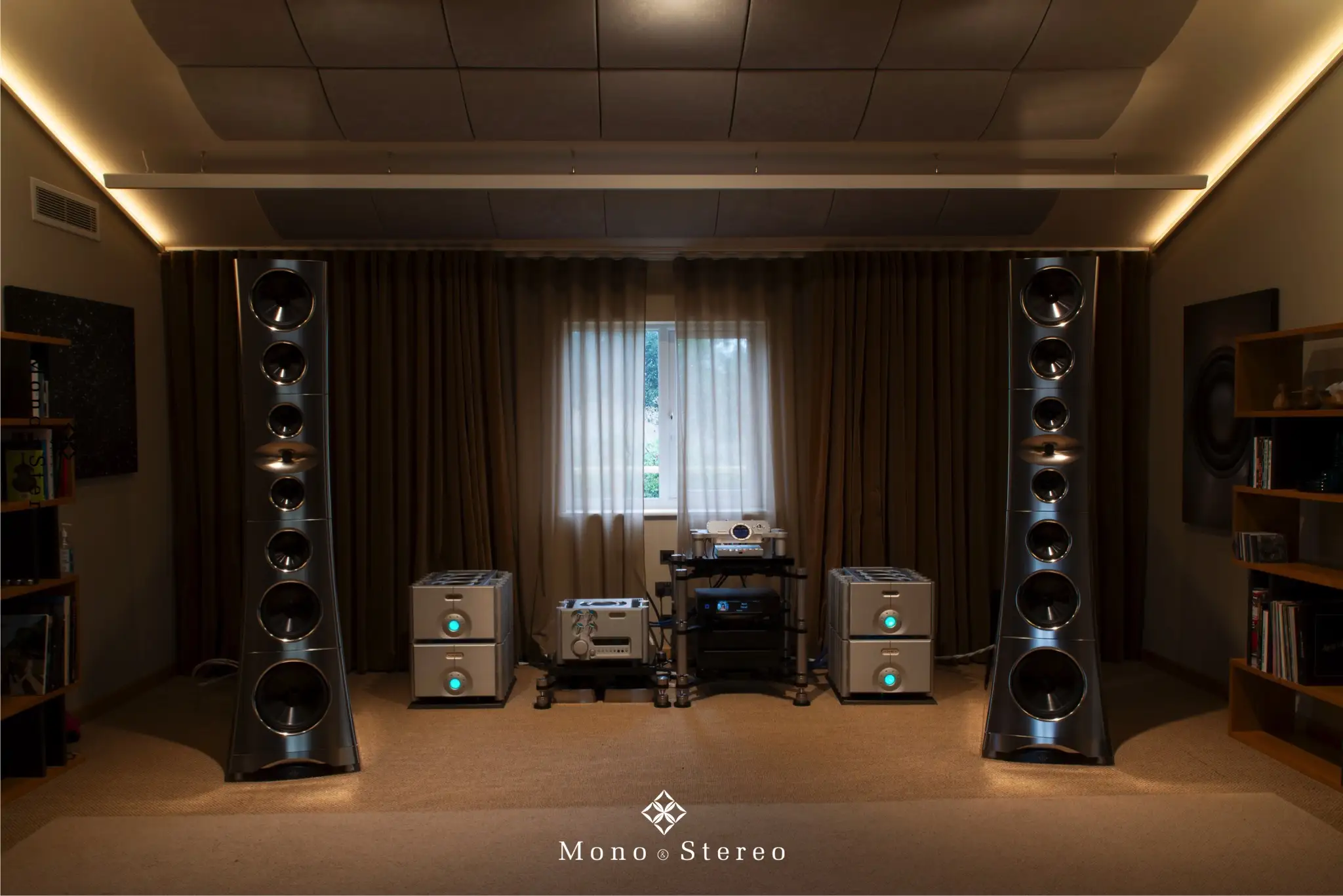
Montreux Residence

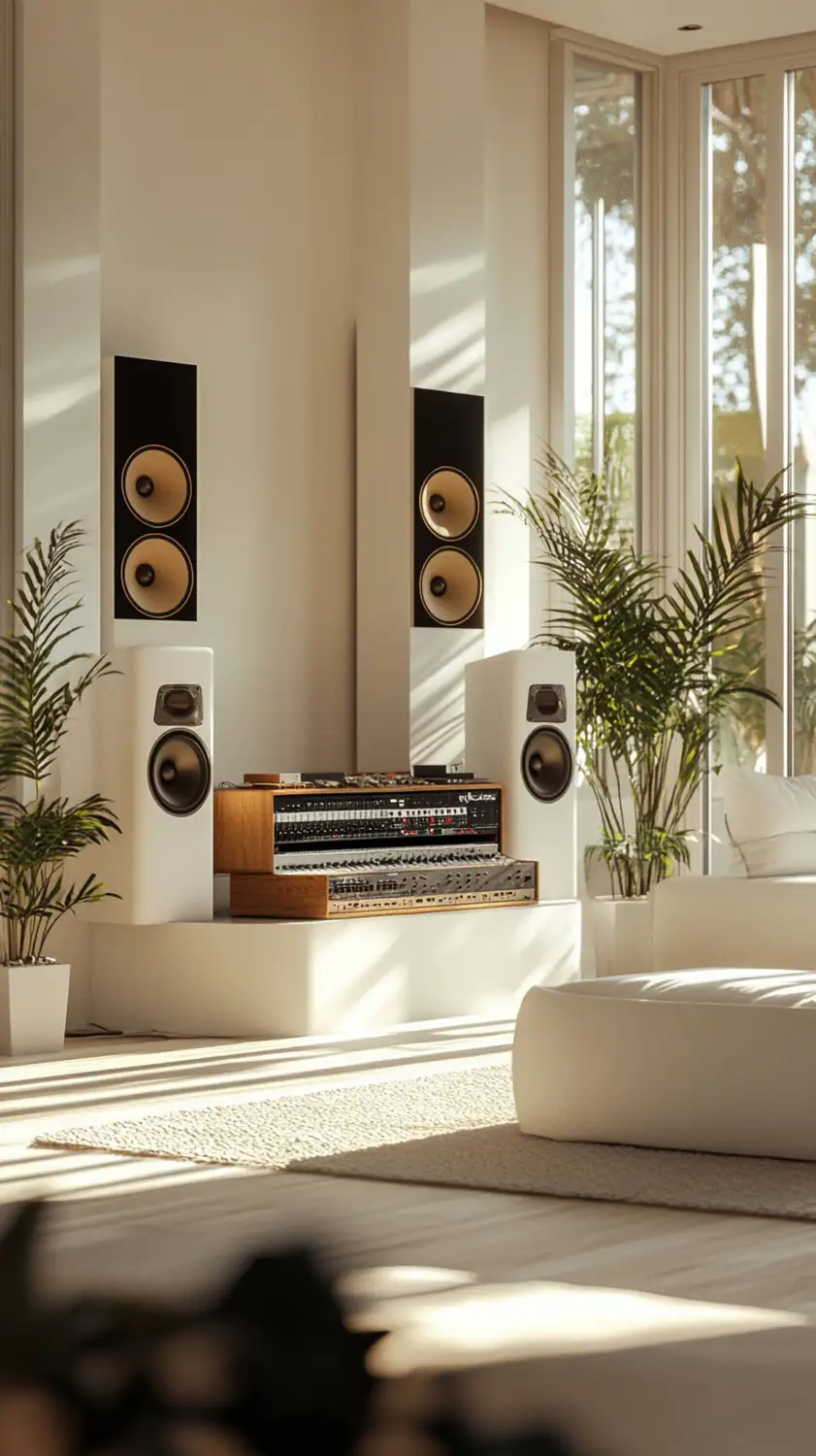
Minimalist interior, invisible technology, audible emotion.

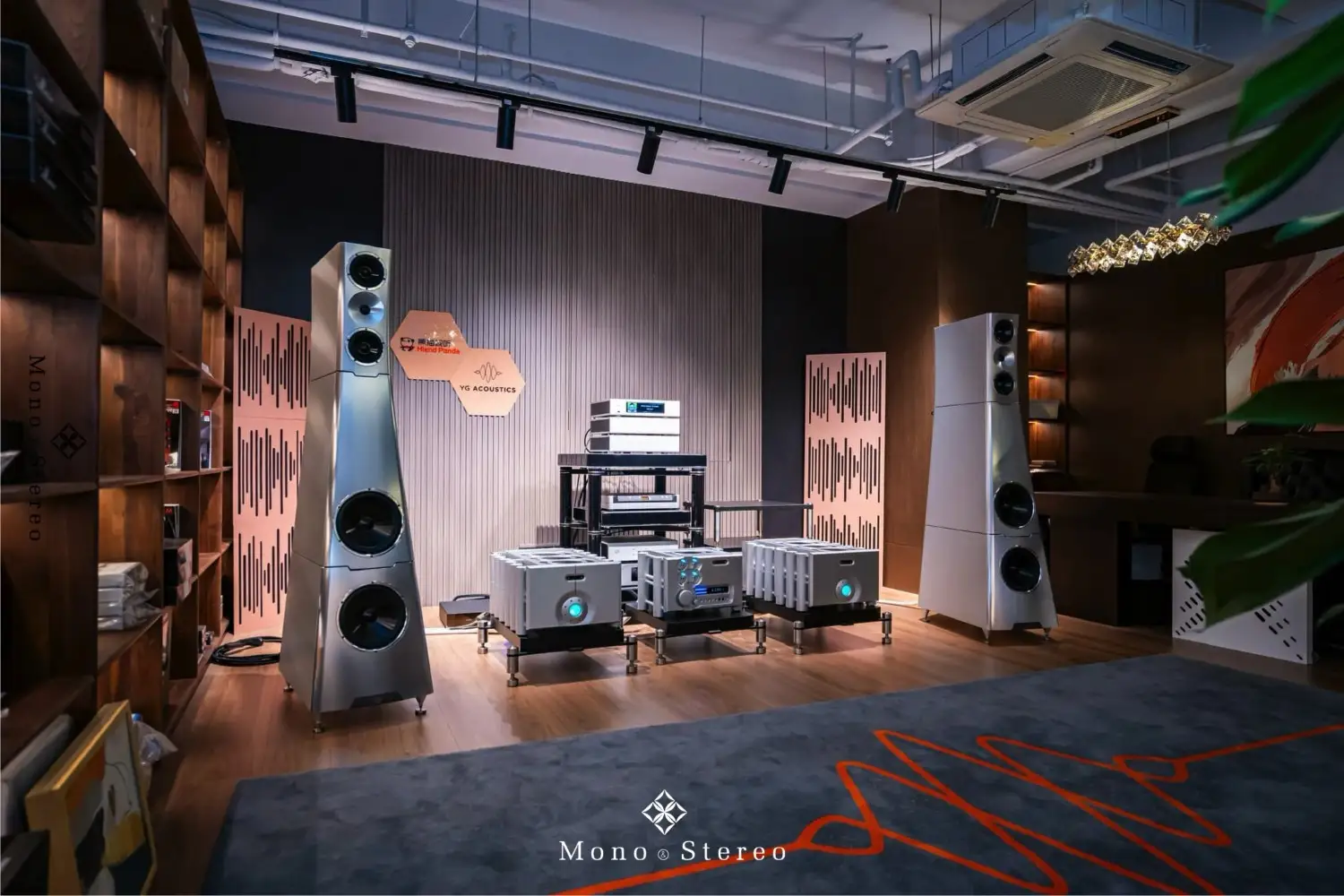
Geneva Loft

Architectural symmetry meets sonic sculpture.

Zürich Penthouse

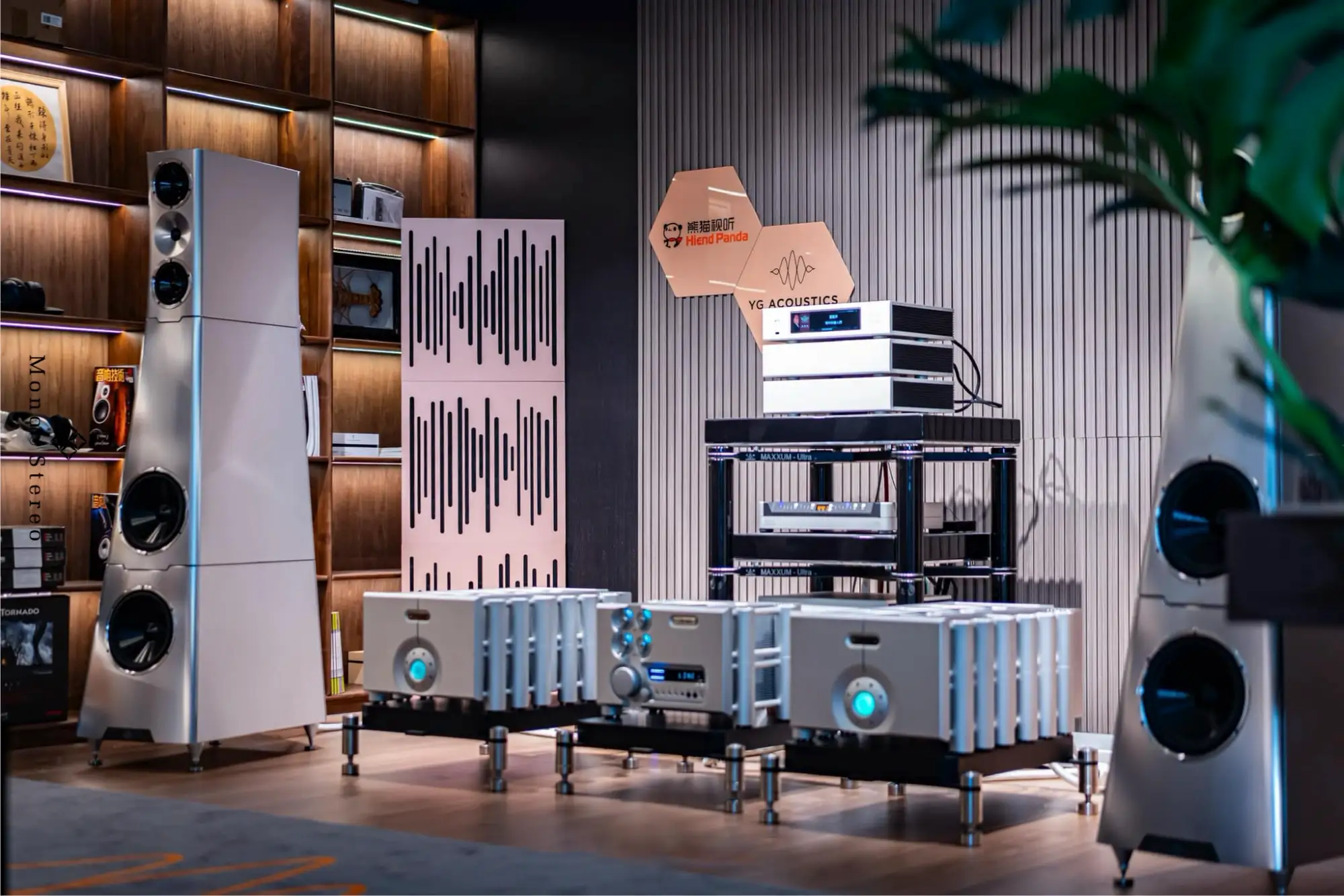
Gallery

A curated look at YG Acoustics craftsmanship — from studio precision to living-room artistry.

Trusted by the world’s most respected reviewers

The most precise yet emotional sound we’ve ever measured.

John Doe Stereophile

Reference-class performance with breathtaking realism.

Mike Lewis What Hi-Fi

A level of detail that borders on perfection.

Al Bundy The Absolute Sound

Downloads

001 (PDF)

Download

002 (PDF)

Download

003 (PDF)

Download

004 (PDF)

Download

005 (PDF)

Download

006 (PDF)

Download

007 (PDF)

Download

008 (PDF)

Download

001 (PDF)

Download

002 (PDF)

Download

003 (PDF)

Download

004 (PDF)

Download

005 (PDF)

Download

006 (PDF)

Download

007 (PDF)

Download

001 (PDF)

Download

002 (PDF)

Download

003 (PDF)

Download

004 (PDF)

Download

005 (PDF)

Download

001 (PDF)

Download

002 (PDF)

Download

003 (PDF)

Download

004 (PDF)

Download

005 (PDF)

Download

006 (PDF)

Download

Consultation & Concierge

Design, Installation & Calibration by ENIGMA’s White-Glove Team.

Lattice Hybrid Tweeter™

YG’s Lattice hybrid tweeter is the firm’s latest high-frequency architecture. It evolves the earlier BilletDome concept by pairing a precisely engineered diaphragm to an advanced motor and waveguide, all treated as one acoustic system. The lattice airframe and geometry are CNC-refined to achieve extremely low distortion, wide bandwidth, and unusually consistent dispersion - so the “sweet spot” feels wide and stable.

The Lattice tweeter preserves “air” and micro-detail without glare or listening fatigue. Transients arrive with lightning precision, harmonic decays remain intact, and the sense of ease at high SPLs is retained - essential for long, immersive sessions. The result is treble that sounds open and effortlessly resolved, yet natural enough to disappear behind the performance

This is not a drop-in dome; the diaphragm, motor, and waveguide are co-optimized through extensive modeling and measurement. Treating the tweeter as a single acoustic mechanism minimizes compromises between extension, linearity, and beam-width - hallmarks of top-tier loudspeaker design.

FormCore Driver™

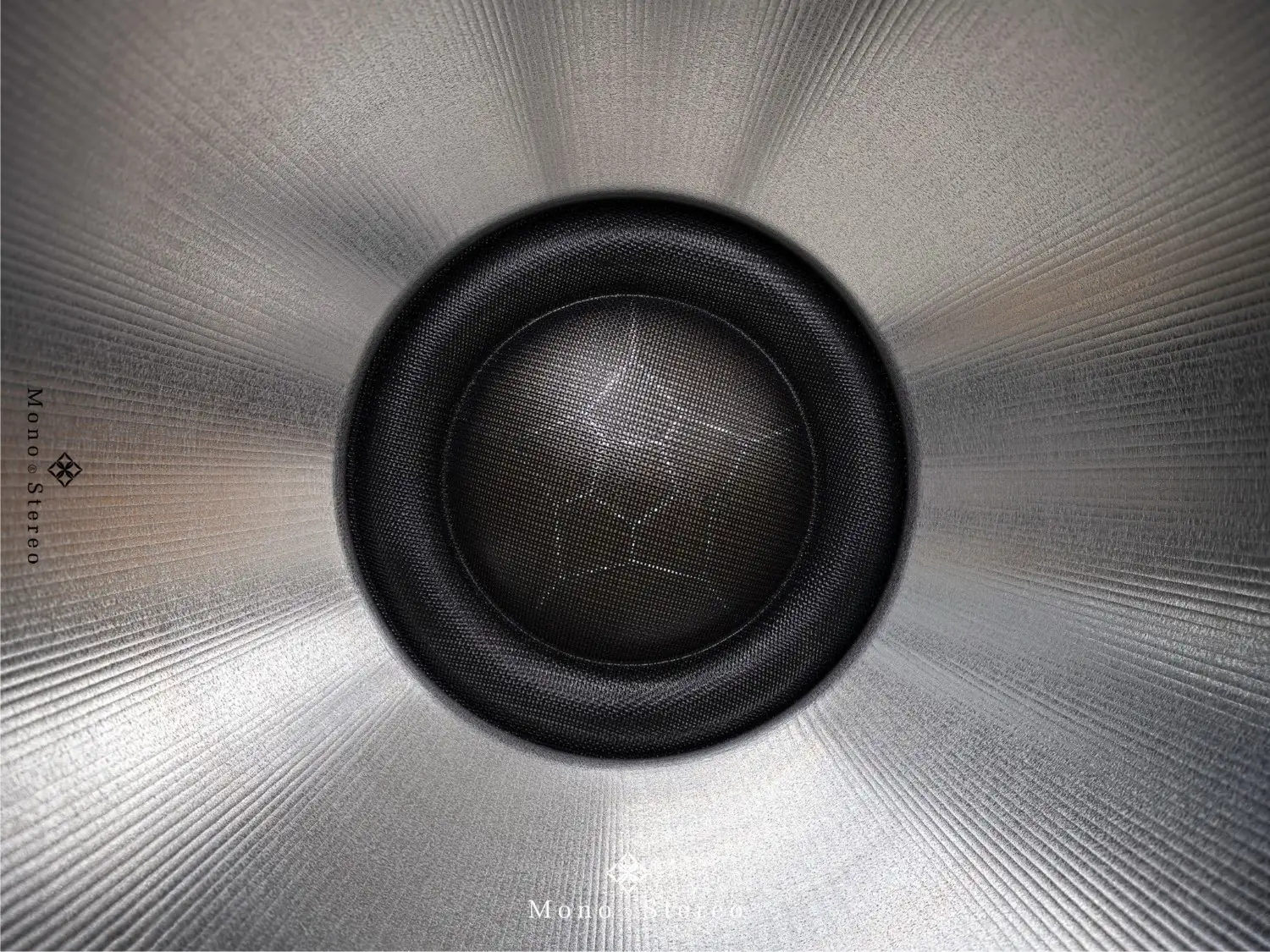
YG’s cone heritage begins with BilletCore: cones machined from solid aircraft-grade aluminum billet, removing >99% of material to yield a diaphragm ~0.2 mm (0.008”) thick and under 30 g (1 oz) - a stiffness-to-mass target very few materials can match. The newer FormCore generation advances metallurgy and surface treatment, informed by large-scale, multi-domain simulations.

Extreme stiffness at ultra-low mass helps maintain piston motion well into the breakup region, lowering distortion and widening clean bandwidth. Practically, this delivers lightning-fast attack, articulate bass and midrange, and micro-dynamics that stay intact from “whisper” to “crescendo,” without coloration or compression.

Machining cones from billet is costly and time-consuming, but it avoids the residual stress of pressing or stamping. With FormCore, YG applies extensive simulation and verification to align diaphragm behavior with suspension, basket, and cabinet - engineering that serves the music rather than the spec sheet.

DualCoherent / DC2 / Ultracoherent Crossovers™

DualCoherent crossovers are YG’s in-house designs that optimize both the frequency (magnitude) and time (phase) domains simultaneously. The DC2 evolution extends tight relative phase alignment (≈ ±5°) across both the upper and lower crossover regions (e.g., ~1.75 kHz and ~65 Hz in Sonja 2.2i), achieving unusually flat response and phase coherence through the overlap.

When amplitude and phase “arrive together,” transients, spatial cues, and tone color remain intact - images lock in, the stage becomes stable, and complex acoustic material retains its intelligibility. You perceive less “speaker behavior” and more recorded space, placement, and intent.

This level of coherence is achieved through YG’s proprietary software, exhaustive measurement, and iterative voicing with the actual drivers and cabinets - not generic textbook targets. It’s expensive R&D, but it translates into a naturally convincing presentation that feels unforced and real.

Aluminum Cabinet Technology (CNC + Pressure Assembly)™

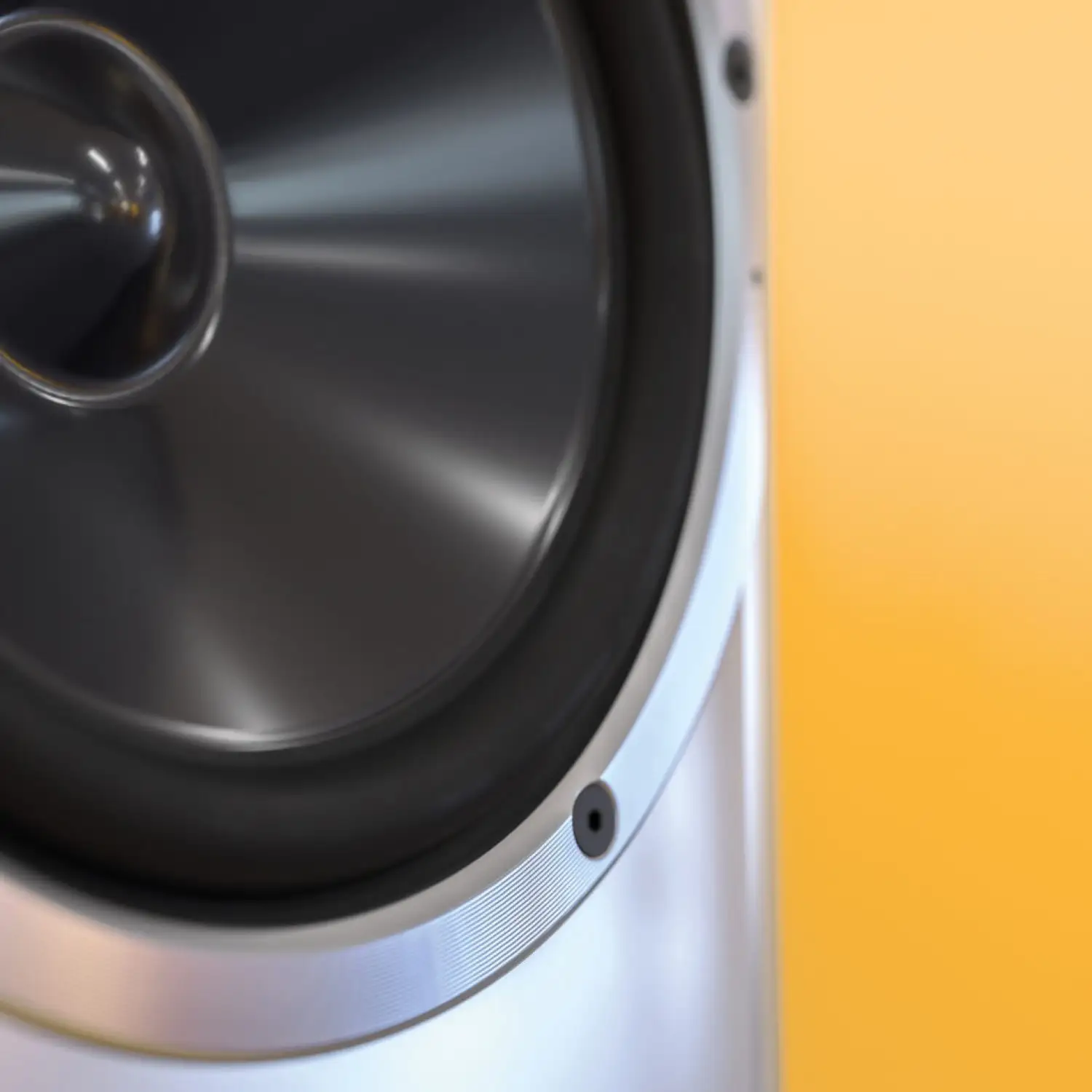
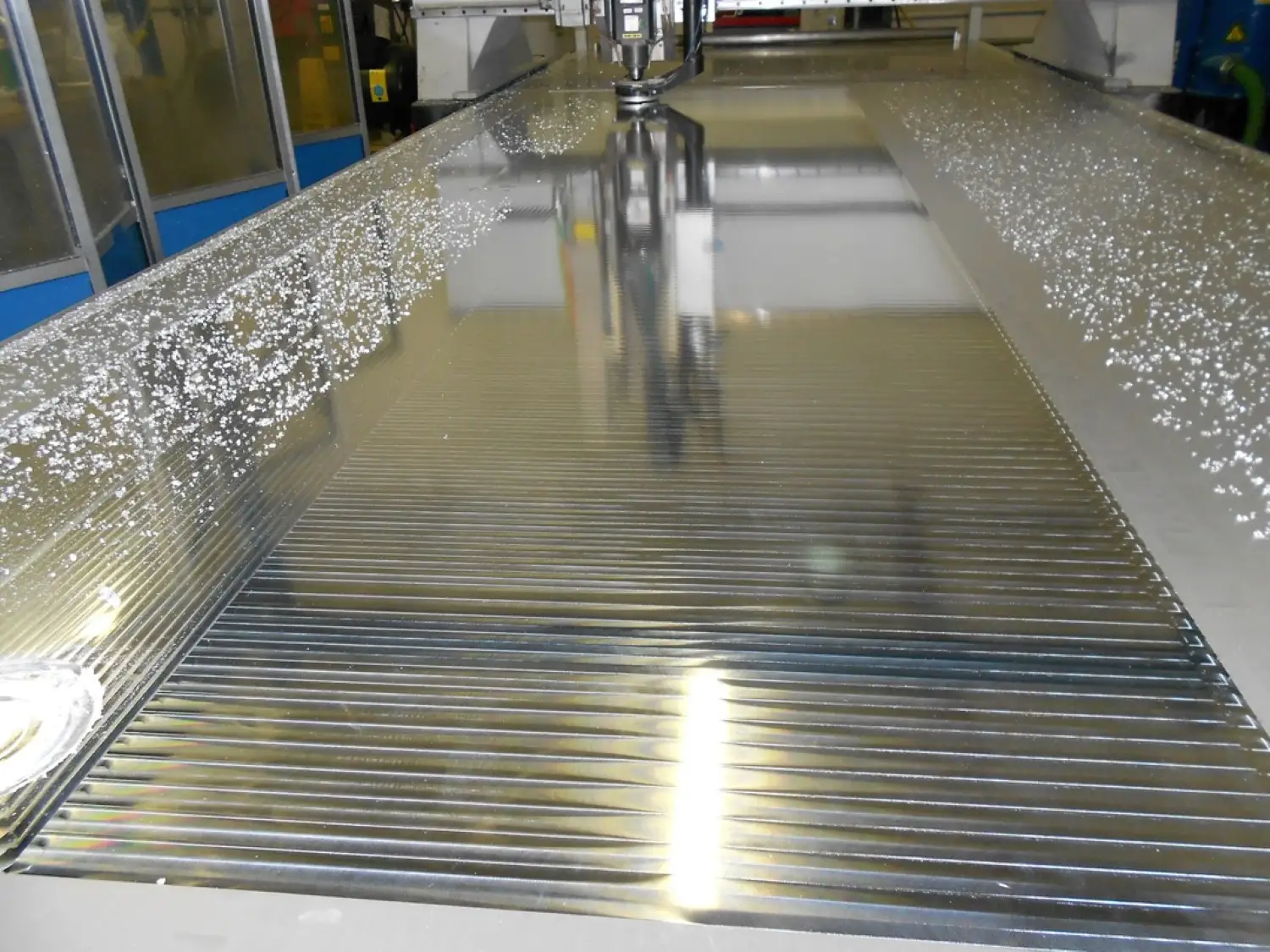
YG enclosures are fully CNC-machined from solid aircraft-grade aluminum and pressure-assembled using exclusive methods. Multi-thickness modules and internal architecture are designed to minimize standing waves and cabinet-borne coloration - without relying on heavy stuffing.

A truly “quiet” cabinet keeps drivers in mechanical discipline and prevents energy storage from blurring attacks or smearing bass lines. The audible result is a blacker background, deeper and more stable imaging, and bass that remains taut and pitch-defined at any level.

CNC machining thick aluminum to tight tolerances, then pressure-assembling complex modules, is capital-intensive. But it yields rigidity and repeatability that traditional woodworking cannot always guarantee - essential if you want the drivers and crossover to perform at their theoretical best.

ForgeCore™ Tweeter Motor

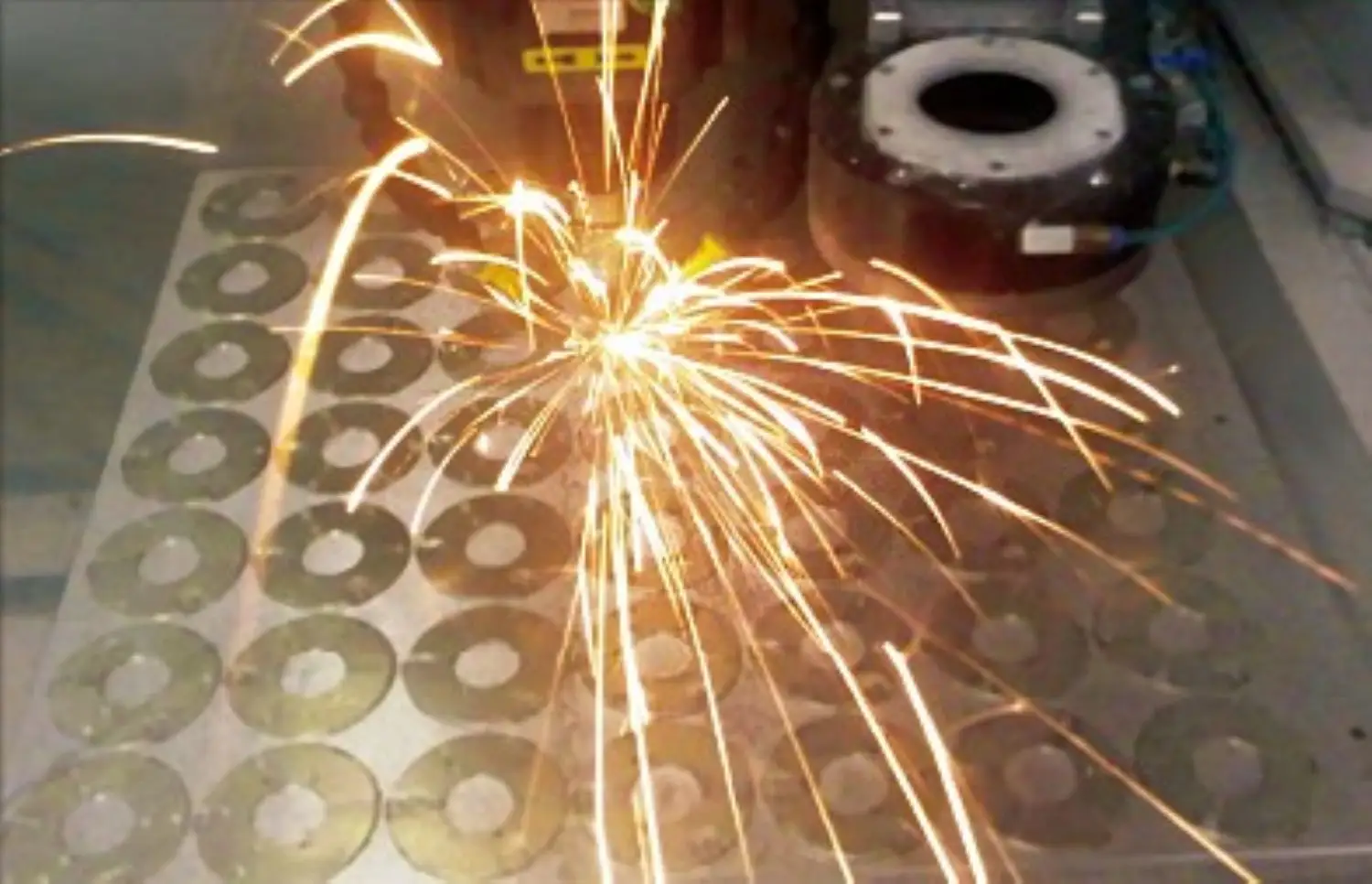
ForgeCore™ is a tweeter motor system that introduces computer-optimized, CNC-cut 3D geometries into the magnetic circuit. Critically, YG treats the tweeter’s motor and acoustic enclosure as a single coupled system - reducing distortion sources inherent to conventional assemblies.

ForgeCore keeps treble energy clean, fast, and grain-free. Attacks feel instantaneous, low-level ambience remains audible, and long sessions stay fatigue-free - benefits you hear as “air” without edge, and detail without etch.

CNC-machining complex motor parts is an expensive way to build tweeters, but it yields a decisive drop in distortion and better control over acoustic loading - key to the “nothing-added, nothing-taken away” character YG chases.

ToroAir™ & ViseCoil™ Inductors

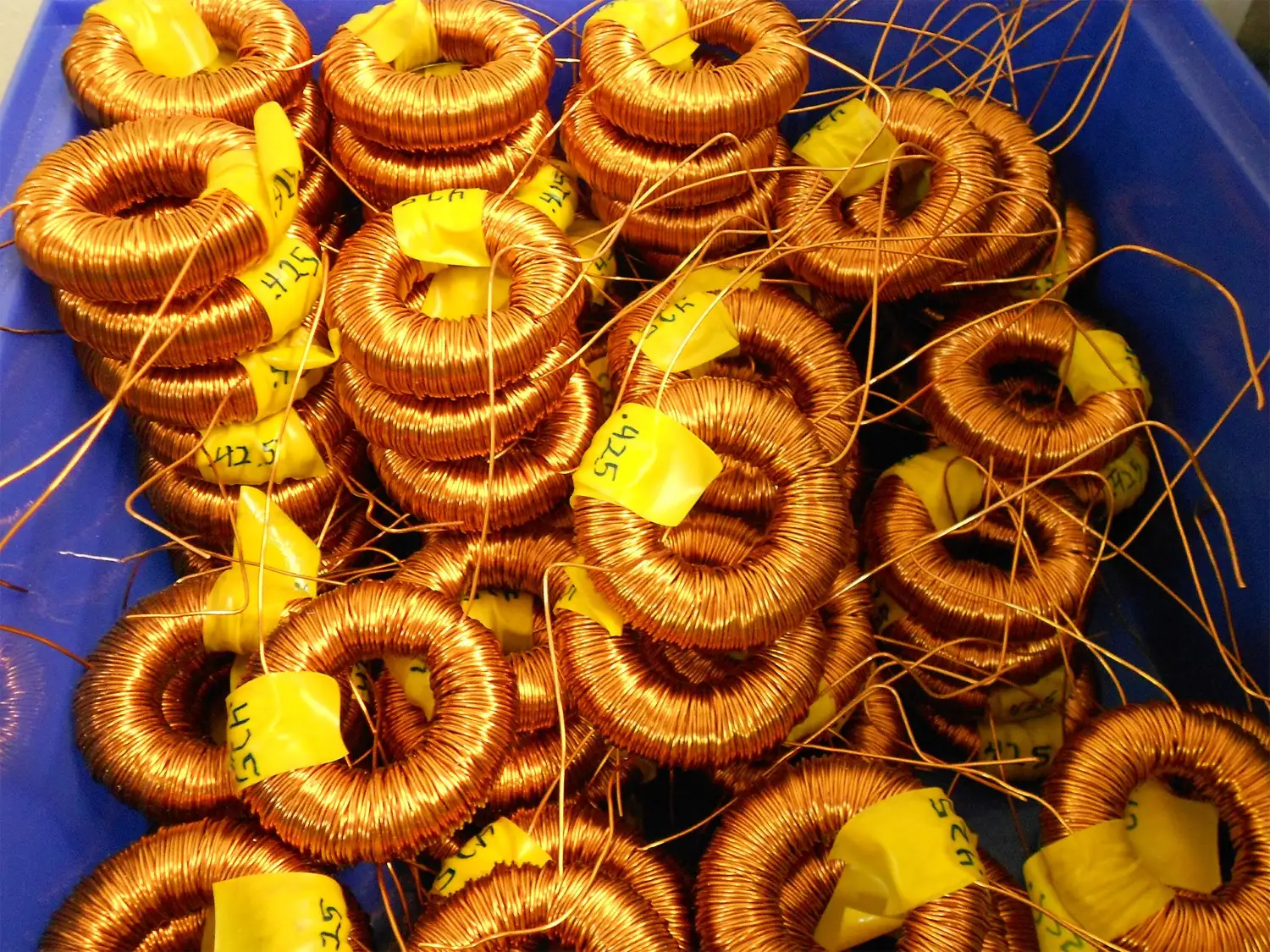
YG’s crossovers employ proprietary inductors: ToroAir™ air-core toroids that dramatically reduce inter-circuit cross-talk, and ViseCoil™ bass inductors engineered for low loss and mechanical stability (originating in the Sonja XV program). Together, they address EM contamination and LF linearity.

Lower cross-talk means the tweeter network “stays clean” while bass circuits work hard; lower LF loss means tighter, more impactful bass and less strain on the amplifier. These marginal gains sum to a subjectively “faster,” more articulate system.

Designing and producing crossover parts in-house costs more than using catalog components, but it ensures repeatability and system-level performance that aligns with YG’s phase and frequency goals.

FocusedElimination ™

“FocusedElimination” summarizes YG’s targeted approaches to suppress mechanical resonances within the enclosure and driver interfaces. Rather than blanketing with damping, they attack known resonance mechanisms via geometry, coupling, and carefully placed constraints.

By treating causes, not symptoms, FocusedElimination avoids overdamping the life out of the music. You get immediacy and speed with lower “box sound,” so complex passages retain separation and drive without dryness.

Targeted resonance control demands precise machining, assembly repeatability, and verification - things that are slower and pricier than generic stuffing, but audibly cleaner when executed well.

HPC / Multi-Domain Simulation ™

YG emphasizes a “design–build–listen–measure–model” loop underpinned by large-scale, multi-domain simulation and iterative verification. The company explicitly cites “millions of CPU-hours” devoted to modeling diaphragms, motors, enclosures, and room interactions before committing to production tooling.

When drivers, crossovers, and cabinets are co-optimized in simulation and confirmed by measurement, you get coherent behavior in the real world - cleaner integration, better dispersion control, and fewer hidden compromises that only show up after launch.

HPC-heavy R&D is expensive and largely invisible to the customer - until you listen. It’s the difference between a speaker that measures well in parts and one that communicates as a seamless instrument.